There is a simple truth behind every call for pest control: people want pests gone fast, and they want the fix to be safe. Safe for kids and pets, safe for the garden pollinators, safe for the creek behind the fence. The good news is that green pest control has matured from hopeful theory into disciplined practice. When it is done well, eco friendly pest control stops infestations, prevents rebounds, and protects the spaces where we live and work.
I have spent years in homes, restaurants, warehouses, and farm edges where insects and rodents don’t read the rules. What follows is what consistently works in the field, from entry-proofing and monitoring to targeted treatments that spare beneficial species. This is the practical side of integrated pest management, not the romantic version of placing a mint plant and hoping for the best.
What “green” actually means in pest management
People often picture green pest control as a shelf of essential oils and a promise. The reality is more structured. Professional pest control that qualifies as green relies on integrated pest management (IPM) principles. IPM pest control prioritizes habitat modification, mechanical controls, and tight monitoring, then escalates to reduced-risk products only when necessary and with precision. The goal is long-term prevention with minimal collateral damage.
A green pest control service looks at three variables before making a move: the pest species and life cycle, the conditions that attract and sustain it, and the building’s vulnerabilities. This approach reduces pesticide use by cutting off food, water, and entry points. When treatments are needed, we choose formulations with low mammalian toxicity and short environmental persistence, and we apply them in a way that a cockroach touches them but your toddler does not.
The five habits that make eco friendly pest control work
Sustainable outcomes come from routines, not one-time heroics. In practice, success hinges on five habits: inspection, exclusion, sanitation, monitoring, and targeted treatment. When clients commit to these, the need for heavy chemistry drops sharply.
- Inspect first, every time. Accurate identification drives everything else. German cockroaches in a break room demand a different response than American roaches from a sewer line, or carpenter ants trailing from a moisture-damaged sill. An experienced pest control technician will pull toe kicks, lift insulation, and use a flashlight and mirror to find harborage and thermal anomalies. Exclude with purpose. Seal gaps, repair screens, and shore up door sweeps. For rodents, that means quarter-inch steel mesh, copper wool, and concrete patch, not canned foam alone. You are trying to make the building boring to a rat. Sanitation that breaks the cycle. Reduce food residue, moisture, and clutter that shelters pests. For roaches and ants this can be as specific as cleaning the underside of a drink dispenser line or the lip of a trash cart wheel where sugars collect. Monitor like a skeptic. Sticky traps for crawling insects, pheromone lures for pantry moths, UV fly lights in commercial kitchens, and interior and exterior rodent stations with tracking plates. Data tells you whether your approach is working and what to change. Treat with a scalpel. When you do apply a product, choose the least-risk option that solves the problem, place it exactly where the pest forages, and apply the minimum effective amount.
These habits form the backbone of reliable pest management, and they are what separate green pest control from greenwashing.
Rodent control without poisoning the neighborhood
Rodents exploit structural weaknesses and food opportunities, and they learn fast. A green rodent control program starts outside the building. Trim vegetation back at least 12 to 18 inches from foundations to eliminate cover. Elevate firewood and stored materials. Fix irrigation leaks and ensure gutters and downspouts drain away from the slab. In alleys and service corridors, move dumpsters several feet from walls and close lids, always. Spilled grain, bird seed, and pet food are rodent magnets.
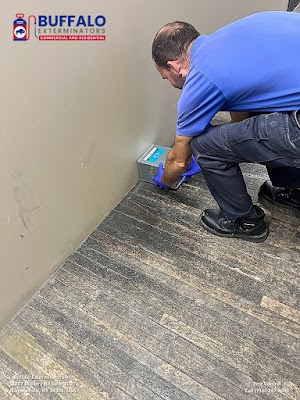
Inside, I look for rub marks along baseboards, droppings behind appliances, and gnawing near utility penetrations. The response is physical first: seal entry points with metal fabric and mortar, install door sweeps that reach the threshold, and repair chew-outs around pipes with escutcheon plates. For control, snap traps remain the most effective and humane option when used correctly. Place them perpendicular to walls where rodents travel, bait with a small amount of attractant, and pre-bait a few stations without setting them so wary rats feed confidently. For mice, increase density; several traps in a tight snapline perform better than one or two scattered devices.
Avoid relying on anticoagulant baits in homes and small businesses when possible. Secondary poisoning of owls, hawks, and neighborhood cats is a real risk with certain second-generation rodenticides. In heavy commercial or agricultural settings where baiting is necessary, use locked, tamper-resistant stations, first-generation active ingredients, and follow a remove-before-replace protocol so rodents are not perpetually drawing bait. A good mice exterminator or rat exterminator will rotate attractants, document catch data, and re-evaluate exclusion each visit rather than simply refill stations.
Ant control the clean way
Most “ant problems” are many small problems knotted together. On a typical service call, I track a kitchen trail to a moisture source, then discover a satellite colony in a warm wall void and a landscape nest under a slab edge. Spraying a pyrethroid perimeter may give relief for a day or two, then the colony buds and your problem doubles.
Green ant control uses identification and bait strategy. For sugar feeders like Argentine ants and odorous house ants, clear gels with borate or other reduced-risk actives placed along foraging trails and near entry points work well. Rotate between carbohydrate and protein baits based on seasonal shifts and species needs. If you see ants feeding then disappearing quickly, they are likely taking bait back to the brood, which is exactly what you want. Do not use harsh repellent sprays near the bait placements; you will cut the trail and slow the transfer.
Outside, prune branches that touch the roof, repair irrigation that keeps soil constantly damp, and pull mulch back from the foundation to create a dry buffer. For carpenter ants, focus on moisture management and structural repair, then use non-repellent residuals sparingly in voids and along concealed trails. An ant exterminator should spend more time with a flashlight and moisture meter than with a sprayer.
Cockroach control without foggers or harsh residues
Roaches survive where food, water, and tight harborages meet. Kitchens and bathrooms, vending machines, and cardboard stacks are usual suspects. The cornerstone of eco friendly cockroach control is sanitation and bait. Get granular with cleaning: fridge gaskets, splash guards, the underside of table edges, and the backs of outlet covers all collect micro-residues that sustain roaches. In commercial bakeries and restaurants, fix the bead of caulk where equipment meets floor so flour cannot collect.
Gel baits with rotation of active ingredients, placed in tiny dabs near harborages, outperform broadcast sprays. In high-pressure situations, combine baits with insect growth regulators (IGRs) that disrupt roach development. Use low-toxicity dusts like boric acid or silica aerogel in deep voids and wall cavities, applied with a hand bulb so you do not overdo it. Foggers scatter roaches into wall voids and ceilings, and they coat surfaces indiscriminately. I do not use them in residential pest control or commercial pest control because they add residues without solving the root problem.
A roach exterminator who knows their craft will pull appliances, inspect the compressor cavity, and open kick plates. For German cockroach control in multi-family housing, coordinate entries with property management and neighbors. Treating a single unit often fails if the infestation spans a stack of apartments that share trash chutes or plumbing chases.
Bed bugs, the toughest test of green resolve
Bed bug control still carries a reputation for chemical overkill. The more effective path is methodical: inspection, containment, heat, targeted residuals, and follow-up. Begin by confirming bed bugs with physical evidence. Use active monitors or interceptor cups on bed and sofa legs. Place mattress and box spring encasements to trap existing bugs and make future inspections faster. Vacuum seams, tufts, and bed frames with a crevice tool, then bag and dispose of the vacuum contents.
Heat treatments can clear entire units in a day when performed by experienced pest control technicians. The key is even heat distribution, air movement, and critical temperature holds for long enough to penetrate clutter and furniture joints. I pair heat with targeted dust placements in wall outlets and baseboard cracks to intercept survivors or stragglers. In severe cases, follow-up residuals in crevices with reduced-risk options may be required. Skip broadcast sprays on mattresses and sofas. A bed bug extermination plan lives or dies based on prep and follow-up, not the label on a jug.
For travelers or property managers, small habits prevent big outbreaks. Isolate luggage on hard surfaces, inspect mattress seams at check-in, and launder and dry travel clothing on high heat when returning. If you manage housing, train maintenance staff to spot early signs during routine work orders so bed bug control starts at the lightest possible phase.
Termites, moisture, and the soil beneath your feet
Termite control intersects with building science. Subterranean termites follow moisture and shelter. Before any chemical treatment, correct drainage, fix leaks, and maintain at least a few inches of visible foundation between soil and siding. Stack firewood and lumber away from the structure, and avoid landscape timbers that retrofit themselves into termite cafeterias.
For prevention and elimination, non-repellent termiticides and bait systems both qualify as Look at more info green when used judiciously. Baits reduce the active ingredient footprint and can be effective within months, especially with routine inspection. Liquid non-repellents create an invisible treated zone that termites pass through and share, leading to colony decline. A termite exterminator choosing between these options should consider soil type, foundation design, water table, and construction features like post-tension slabs or crawlspaces. Skimping on pre-treatment for new construction is a false economy; catching infestations later brings repair costs that dwarf the original investment.
Flies, mosquitoes, and the water line
Flies and mosquitoes test patience because they breed outside your walls. The first job is to cut breeding. For drain flies, scrub inside drain pipes with a stiff brush and a biological cleaner that breaks down biofilm. For fruit flies, remove the forgotten bag of onions, clean floor drains, and detail-clean beverage stations. Sticky traps and UV lights help with monitoring and knockdown but do not excuse poor sanitation.
Mosquito control can be green and effective with source reduction and larval control. Dump standing water weekly from saucers, toys, gutters, and tarp folds. Stock ornamental ponds with mosquitofish where allowed. Use Bacillus thuringiensis israelensis (Bti) dunks in rain barrels and other water bodies that cannot be emptied. For yards, fans on patios reduce landings during peak hours. Broad yard sprays may suppress adult populations briefly but can harm non-target insects, so use them selectively, timed to species activity, and avoid flowering plants where bees forage.
Spiders, wasps, and bees with thoughtful removal
Spiders move in when other insects are abundant. Reduce prey populations with good insect control and you reduce spider pressure. Indoors, vacuum webs and egg sacs. Outside, knock down webs, trim vegetation, and control night lighting that draws moths. A spider exterminator rarely needs heavy chemistry if the prey base is addressed.
Wasps and hornets demand respect. I treat nests at night or pre-dawn when activity is low and use targeted dust or foam that remains in the nest cavity. For exposed paper nests away from doors and work zones, relocation is sometimes possible early in the season. Bee removal is a different category. Honey bees are valuable pollinators. When they establish in walls or trees, call a qualified beekeeper or wildlife control specialist who can perform a live removal and advise on sealing and repairs afterward. Spraying honey bee clusters near schools or homes is poor practice and rarely necessary.
Silverfish, earwigs, crickets, and other occasional invaders
These pests ride seasonal humidity and outdoor pressure. The fix is part building science, part patience. For silverfish, lower indoor humidity with ventilation and dehumidifiers where needed, paying attention to crawlspaces and attics. Seal gaps around light fixtures and baseboards, and use low-impact dusts in voids where activity is high. Earwigs and crickets often build up under mulch and stones that press against the house. Create a gravel or bare-soil strip that dries between watering. Address exterior lighting, especially cool spectrum bulbs that attract swarms.
What affordable pest control looks like without cutting corners
People ask for cheap pest control, but the sustainable version is predictable service with fewer emergencies. The most affordable model in the long run is preventative pest control. For homes, quarterly pest control often strikes the right balance: seasonal inspections, light exterior treatments where justified, interior spot work only when activity dictates, and constant attention to exclusion and moisture. Monthly pest control is justified for restaurants, food manufacturing, and properties with complex risk profiles. One time pest control can work for a contained issue, but skipping follow-up when conditions remain the same invites the pest right back.
The best pest control companies we compete with and learn from share common traits. They do thorough pest inspection, write notes that mean something, and explain trade-offs to clients honestly. Licensed pest control and insured pest control should be table stakes. Reliable pest control is a mix of prompt scheduling, consistent technicians, and documented results: what was observed, which products were used, and what the client should change on their end.
How to choose a pest control provider who can go green and still win
Credentials and chemistry do not guarantee judgment. Ask a prospective pest control provider to describe a stubborn case they solved without reaching for broadcast sprays. Ask how they verify results: trap counts, photo logs, or service reports that show trend data. A provider committed to green pest control will talk about exclusion materials, thresholds for treatment, and when they refuse to treat because conditions are not right. For emergency pest control and same day pest control, listen for structure in the response: triage now, prevention scheduled next, follow-up booked.
If you operate a business, expect an integrated plan. That plan might include insect control devices, rodent control stations with mapped serial numbers, staff training on closing procedures, and a schedule for deep cleans tied to pest activity. For residential customers, a home exterminator should walk the perimeter with you, point out conducive conditions, and leave you with specific tasks, not generic advice.
Products and practices that earn their green reputation
Not every label that says “natural” is safer or better. I have seen peppermint oil atomized into homes to the point of asthma triggers with little effect on pests. Meanwhile, borates, silica dusts, and insect growth regulators have long safety records when used correctly and are powerful tools.
Adhesive monitors, pheromone traps, and snap traps are low-tech but remain essential. Gel baits, when rotated to prevent resistance, keep German cockroaches in check with minimal surface exposure. Bti larvicides for mosquitoes target larvae without harming fish or mammals. Beneficial nematodes can suppress fleas in certain soils, though results vary with moisture and temperature. Thermal remediation for bed bugs clears cluttered homes where conventional residuals would fall short or cause too much exposure.
The catch is precision. A small dot of bait in a hinge void is useful. A ribbon of bait on a countertop contaminated with cleaning chemicals is not. A dusting of silica in a wall void works. Blowing dust into open rooms does not.
Business cases: green pest control in homes and commercial spaces
Green strategies scale differently in homes and in businesses. Home pest control lives or dies on exclusion and habits. Pet food left out overnight, drip trays overflowing, and dense shrubbery against siding will keep pests coming regardless of treatments. Residential pest control technicians must be part detective and part coach.
Commercial pest control emphasizes compliance and documentation. Food plants require mapping, threshold actions, and root cause analysis after each spike in counts. In restaurants, we spend as much time under equipment as out front. I once worked with a bakery that battled Indianmeal moths for months. The fix was not a stronger spray. We traced the problem to bulk flour bags stored directly on the floor, micro-tears at the seams, and a warm, dim corner behind a proofing cabinet. Pallets raised the product, a fan improved airflow, pheromone traps tracked activity, and the problem faded within two inventory turns.
When a spray is justified, and how to keep it green
Even in IPM, insecticides have a role. The difference lies in what, where, and how much. Non-repellent chemistry placed in cracks and voids that pests actually use is very different from a broad perimeter spray that soaks flower beds. Time applications to avoid runoff, wind, and pollinator activity. Use hollow-cone tips and low pressure for precise placement. Spot-treat wasp entry points rather than fogging porches.
You get the same distinction with rodenticides. In a food distribution warehouse with a rodent incursion from an adjacent field harvest, interior snap traps and exterior stations are the core, while baiting is a temporary measure in secure stations along the exterior fence line and only until exclusion is complete. The green approach has an end game.
Putting IPM into a routine you can maintain
If you want the benefits of green pest management without constant call-backs, commit to a simple, repeatable routine. This is the playbook I leave with clients, and it holds up across seasons and property types.
- Weekly: clear standing water, wipe under small appliances, empty and clean recycling bins, and check that door sweeps still touch thresholds. Monthly: inspect the perimeter for new gaps, trim back plants that touch structures, refresh sticky monitors, and clean out drain lines with enzyme-based cleaners. Seasonally: adjust exterior lighting to warmer color temperatures, service gutters and downspouts, deep clean storage areas, rotate pantry stock, and test dehumidifiers in basements or crawlspaces.
These steps do more for preventative pest control than most sprays, and they make every professional visit more effective.
A few words on wildlife control
Squirrels in soffits, raccoons in attics, and birds roosting on ledges are common. Wildlife control begins with legal and humane considerations. Many species are protected, and young animals are often nearby. The green path is exclusion after safe removal: one-way doors for squirrels once pups are mobile, heavy-gauge screening over attic vents, ridge vent covers, chimney caps, and bird spikes or netting installed correctly. Skip deterrents that promise too much, like plastic owls that collect dust. If you are not certain how to proceed, call specialists who handle wildlife control daily; their work prevents re-entry and avoids orphaning young.
How to measure success without guessing
Green pest control is data-driven. Fewer droppings, declining trap counts, reduced monitoring hits, and longer intervals between sightings tell you you’re on the right track. In homes, a clean baseboard can be deceptive. Look under the sink lip, behind the stove’s rear feet, and inside the dishwasher insulation. In businesses, post a simple log on the back-of-house door. Date, pest spotted, location, and staff initials. Tie it to service reports. Over a quarter, patterns emerge, and so do the fixes.
When to escalate, and when to stand down
Some infestations justify escalation. If a restaurant faces German cockroach counts that do not fall after two service cycles with sanitation and baiting, a planned close-down day for intensive treatment and deep cleaning is responsible. If a multi-unit building has bed bugs across several floors, assemble a coordinated plan with property management, not scattered one-time treatments.
On the other hand, sometimes the green move is restraint. Seeing a couple of ants in spring near a back door that opens to a blooming garden is not cause for a perimeter spray. Adjust the threshold seal, place a small bait dot if you can trace a trail, and watch monitors. With patience, you avoid collateral effects and still solve the problem.
Final thought from the field
Green pest control is not about being gentle for its own sake. It is about being effective and disciplined. You change the environment so pests do not thrive, you target the problem where it lives, and you track results. Professional pest control that follows these principles delivers quieter kitchens, cleaner baseboards, and fewer surprises. Whether you work with a local pest control company or handle some home pest control on your own, focus on inspection, exclusion, sanitation, monitoring, and targeted treatment. That is the engine that drives reliable results, and it is the reason green pest control, done right, really works.